Source Negative Ions Ceramic Hair Straightener for Salon, Hotel, and Travel
Find and compare 30 negative ions ceramic hair straightener options featuring PTC or MCH heaters, LED displays, and ionic smoothing technology. These tools support professional salon use, household styling, and travel needs with customizable packaging and private label services.
Key considerations
Products List


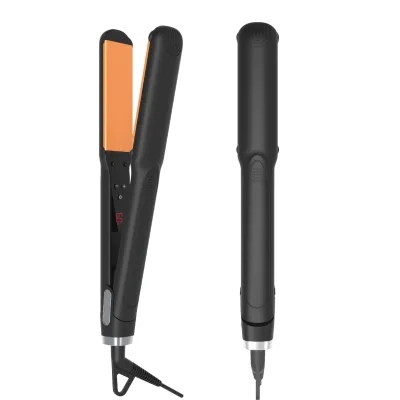
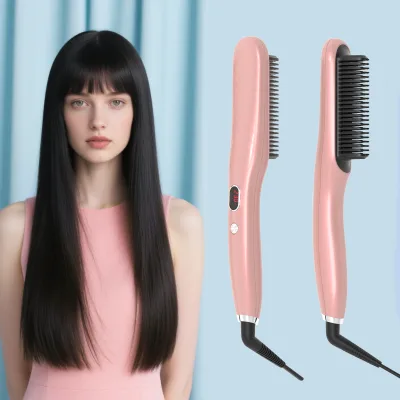
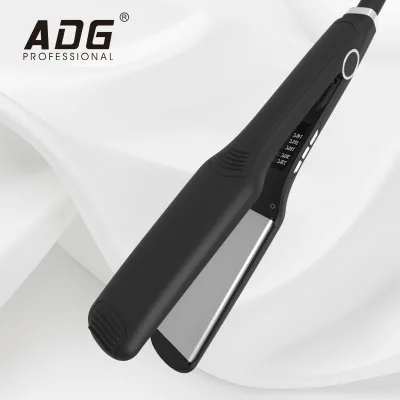
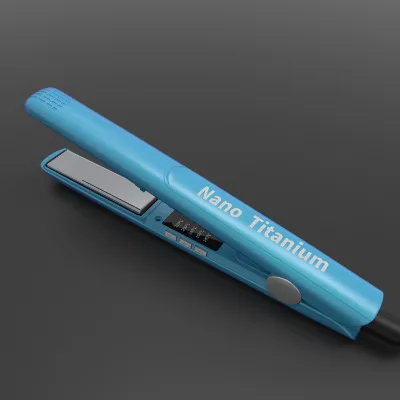


Comprehensive Sourcing Guide
Negative Ions Ceramic Hair Straightener Sourcing Guide
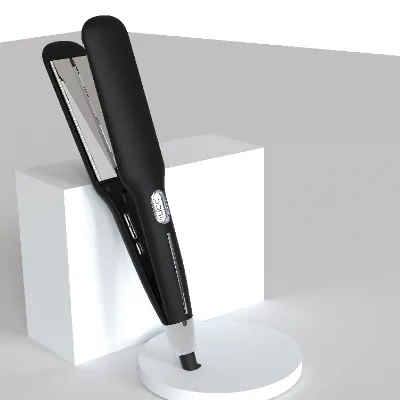
The negative ions ceramic hair straightener represents a specialized segment of professional and consumer hair care tools designed to reduce frizz and enhance shine through ionic technology. These devices typically utilize ceramic heating plates, often with coatings, to distribute heat evenly while emitting negative ions that neutralize static electricity in the hair. The observed market data indicates a strong focus on models featuring PTC or MCH heating elements, which provide rapid and consistent temperature control across three distinct levels, typically ranging from 160°C to 200°C. This thermal precision is critical for protecting hair integrity while achieving effective straightening results for normal hair types in both salon and household environments.
Procurement for this category requires distinguishing between high-power professional units and lighter, travel-friendly variants. The supply chain shows a clear divergence in power ratings, with some models operating at 800W for general use and others reaching 1400W for heavy-duty professional applications. Buyers must evaluate the specific application context, such as salon, SPA, or hotel use, to determine the necessary durability and performance metrics. The presence of features like steam functionality and 360-degree rotating cords further differentiates these products, necessitating a careful review of the technical specifications to ensure the selected unit aligns with the intended operational frequency and user requirements.
Product Scope and Observed Listing Signals
The current market listings for negative ions ceramic hair straighteners reveal a diverse range of configurations tailored to different user needs, from compact travel models to robust professional units. Observed product attributes highlight the availability of customization options, including private labeling and custom packaging, which are essential for brands looking to establish a unique market presence. The physical design varies significantly, with some units featuring hand-held designs with specific nozzle types like diffusers and concentrators, while others are specialized flat irons with steam capabilities. This variety suggests that buyers should not assume a single standard form factor but rather assess the specific feature set required for their target demographic.
Listing signals indicate that the product scope extends beyond simple heating elements to include advanced features like LED displays and key switch modes for precise user control. The materials used in construction range from standard ABS plastic to more durable aluminum alloy combinations, reflecting the intended usage intensity. For instance, professional-grade models often incorporate ceramic coatings on the plates to ensure smooth gliding and heat retention, whereas other variants may rely on standard ceramic plates. The observed price range of 3.1 to 97.19 USD suggests a wide spectrum of value propositions, where the cost is driven by the complexity of the heating system, the quality of the materials, and the inclusion of additional features like steam generation or specific safety certifications.
Technical Specifications to Verify
When evaluating the core heating mechanism, buyers must verify the specific heater type and plate composition to ensure performance consistency. The supply data confirms the presence of both PTC and MCH heater types, each offering distinct thermal response characteristics that affect heating speed and energy efficiency. It is imperative to confirm whether the ceramic plates are standard or coated, as the coating significantly impacts the smoothness of the glide and the longevity of the non-stick properties. Additionally, the power rating must be matched to the intended usage; a 1400W unit is suitable for high-volume salon environments, while an 800W model may suffice for household or travel applications where portability is a priority.
Beyond the heating elements, the electrical and physical specifications require rigorous verification to ensure compatibility and safety. The working voltage is observed to span 100-240V with 50/60Hz frequency support, making these devices suitable for international markets, but buyers must confirm the plug specifications match the destination country. The power cord length and rotation capability are critical for user comfort, with observed models offering 2-meter cords and 360-degree rotatable designs to prevent tangling during extended use. Furthermore, the temperature range is typically fixed at three levels (160/180/200°C), and buyers should verify if the device includes an LED display for real-time monitoring or relies on a simple key switch, as this impacts the user experience and perceived value.
Compliance and Safety Documentation
Safety compliance is a non-negotiable aspect of sourcing hair straighteners, particularly given the high temperatures and electrical components involved. The observed product data lists a comprehensive set of approvals including CE, RoHS, cETL, PSE, and FCC, which indicates that suppliers are targeting multiple global markets with varying regulatory requirements. Buyers must request valid test reports and certificates for each specific model to ensure that the claimed certifications are current and applicable to the exact configuration being purchased. Relying on general supplier claims without verifying the specific test documentation can lead to customs delays or product recalls in regulated markets.
In addition to electrical safety, the material composition and environmental standards must be scrutinized to meet modern procurement requirements. The use of ABS and aluminum alloy materials is common, but buyers should verify that these materials meet specific flammability and toxicity standards relevant to their region. The presence of RoHS compliance ensures that hazardous substances are minimized in the electronic components, while CE marking confirms adherence to European health, safety, and environmental protection standards. For markets like North America, the cETL listing is particularly critical as it validates that the product meets the rigorous safety standards set by recognized testing laboratories.
Cost Drivers and Commercial Terms
The pricing structure for negative ions ceramic hair straighteners is influenced by several key factors, including the complexity of the heating technology, the quality of materials, and the level of customization required. Models featuring MCH heaters, ceramic coatings, and steam functionality generally command higher price points compared to basic PTC units with standard ceramic plates. The observed price range of 3.1 to 97.19 USD reflects this disparity, with the lower end likely representing simpler, mass-market units and the higher end encompassing professional-grade devices with advanced features and robust build quality. Buyers should analyze the cost per unit against the feature set to determine the optimal value proposition for their specific market segment.
Commercial terms such as Minimum Order Quantity (MOQ) and lead times vary significantly across the supply base, impacting inventory planning and cash flow. The observed MOQ range spans from 1 to 1000 units, offering flexibility for small startups while accommodating larger volume orders for established brands. Lead times for samples are typically short, ranging from 3 to 6 days, which facilitates rapid prototyping and quality assessment. However, bulk production lead times are not explicitly defined in the provided data and must be negotiated directly with the supplier. Buyers should also consider the cost implications of customization, such as private labeling and custom gift box packaging, which may add to the unit cost but enhance brand value.
Supplier Qualification and Quality Control
Selecting a qualified supplier requires a thorough assessment of their manufacturing capabilities and quality control processes, particularly for products involving high heat and electrical components. The observed data indicates that production originates from specific regions like Dongguan, China, which is a known hub for hair care appliance manufacturing. Buyers should verify the supplier's experience with the specific technologies mentioned, such as MCH heating and ceramic coating application, to ensure they have the necessary expertise. Requesting references from other clients and reviewing their production capacity can provide insight into their ability to maintain consistent quality and meet delivery schedules.
Quality control measures must be established to mitigate the risks associated with mass production, including defects in heating elements or electrical failures. Given the warranty period of 2 years observed in some listings, suppliers should have robust testing protocols in place to ensure product reliability before shipment. Buyers should implement a pre-shipment inspection process that checks for critical attributes like temperature consistency, cord durability, and the integrity of the ceramic plates. Additionally, verifying the supplier's ability to handle customization requests, such as specific color requests and logo placement, is essential to ensure the final product meets the brand's aesthetic and functional standards.
Long-Term Procurement Checks
Sustaining a successful procurement relationship for negative ions ceramic hair straighteners involves ongoing monitoring of product performance and supplier reliability over time. Buyers should establish a feedback loop with end-users to identify any recurring issues related to heating performance, cord durability, or user interface functionality. This data is crucial for making informed decisions about future orders and for negotiating improvements with the supplier. Regular audits of the supplier's quality control processes and adherence to safety standards are also necessary to ensure that the product continues to meet regulatory requirements and brand expectations.
As the market evolves, buyers must remain vigilant regarding changes in technology and consumer preferences that could impact the relevance of their product line. The availability of customization options suggests that the market is dynamic, with opportunities for differentiation through unique features or designs. Buyers should regularly review the product specifications and compare them against emerging trends, such as the integration of smart features or more advanced ionic technologies. Maintaining a flexible supply chain that can adapt to these changes will ensure long-term competitiveness and customer satisfaction in the hair care appliance sector.
FAQs
What features does the negative ions ceramic hair straightener offer?
This device features ionic technology and ceramic plates for smoothing and straightening normal hair types. It includes a PTC or MCH heater with three temperature levels ranging from 160 to 200 degrees Celsius for professional and household use.
Can I customize the packaging and logo for this hair straightener?
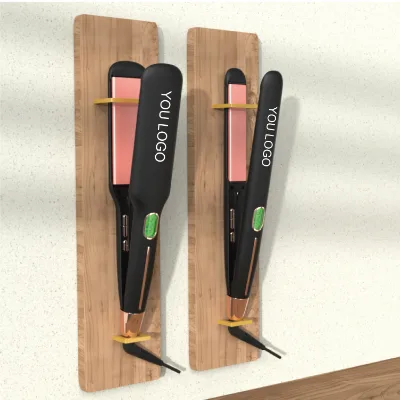
Yes, customization is available for both the product logo and the gift box packaging. Buyers can request specific colors and private labeling options to meet their brand requirements while maintaining the standard ceramic plate construction.
What is the power consumption and voltage range for this unit?
The power consumption varies between 800W and 1400W depending on the specific model selected. The working voltage supports a wide range of 100 to 240V at 50 or 60Hz, making it suitable for international travel and hotel use.
How long is the power cord on the negative ions ceramic hair straightener?
The power cord is available in lengths of 2 meters or features a 360-degree rotatable design. This ensures flexibility during use in salons, spas, or at home without tangling or restricting movement while styling hair.
Which certifications are included with the negative ions ceramic hair straightener?
The product holds multiple approvals including CE, RoHS, cETL, PSE, and FCC certifications. These standards ensure safety and compliance for professional salon equipment and household appliances sold in various international markets.
What is the lead time for sample delivery of this hair tool?
Sample delivery typically takes between 3 to 6 days after order confirmation. This quick turnaround allows buyers to evaluate the ceramic coating quality and steam flat iron functionality before committing to larger bulk orders.
Can the negative ions ceramic hair straightener be used for travel?
Yes, the device is designed for professional, household, hotel, and travel applications. Its compact dimensions and universal voltage support make it a reliable choice for stylists and travelers needing smoothing and straightening capabilities on the go.